_Gemeente Rotterdam
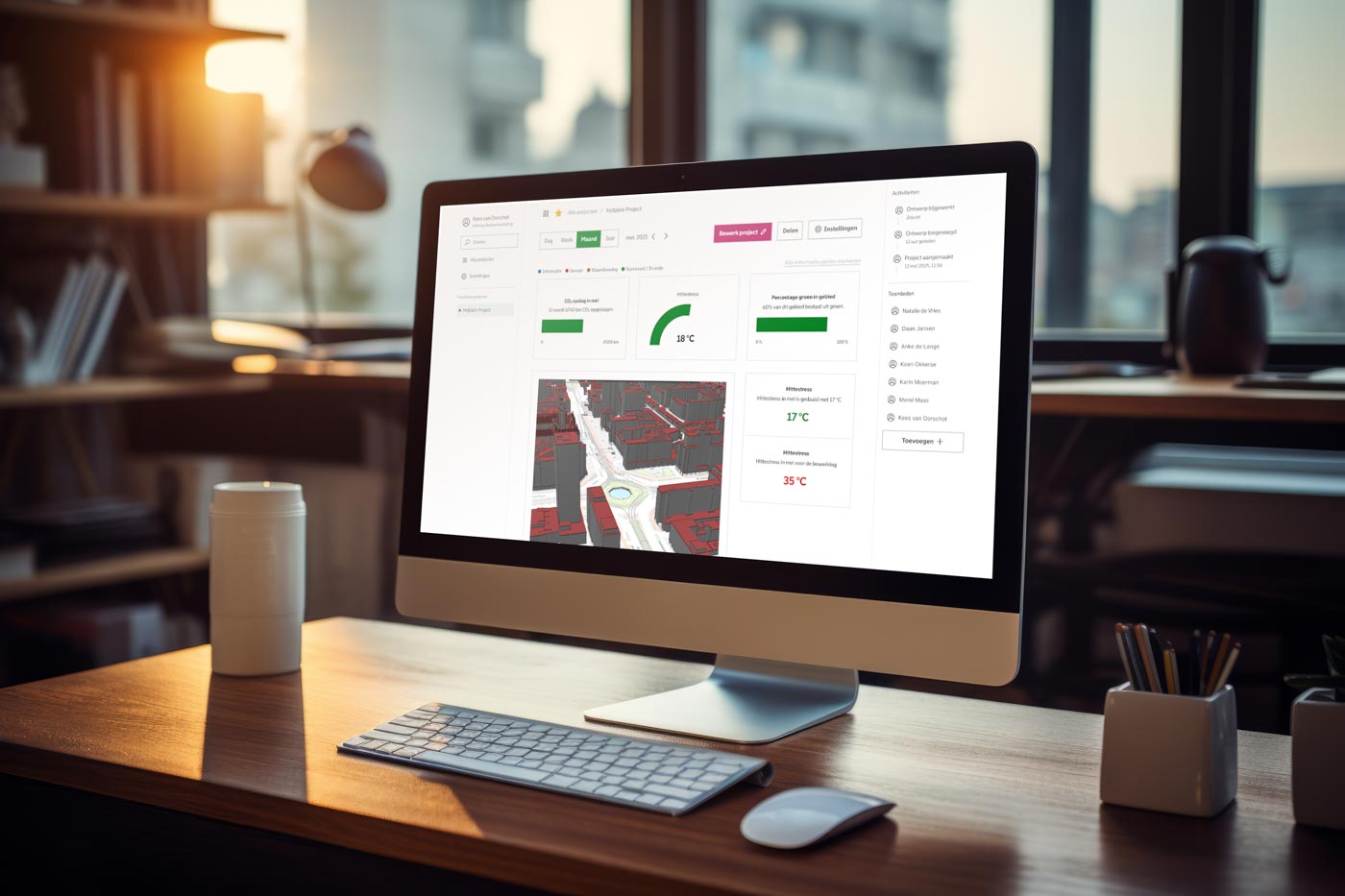
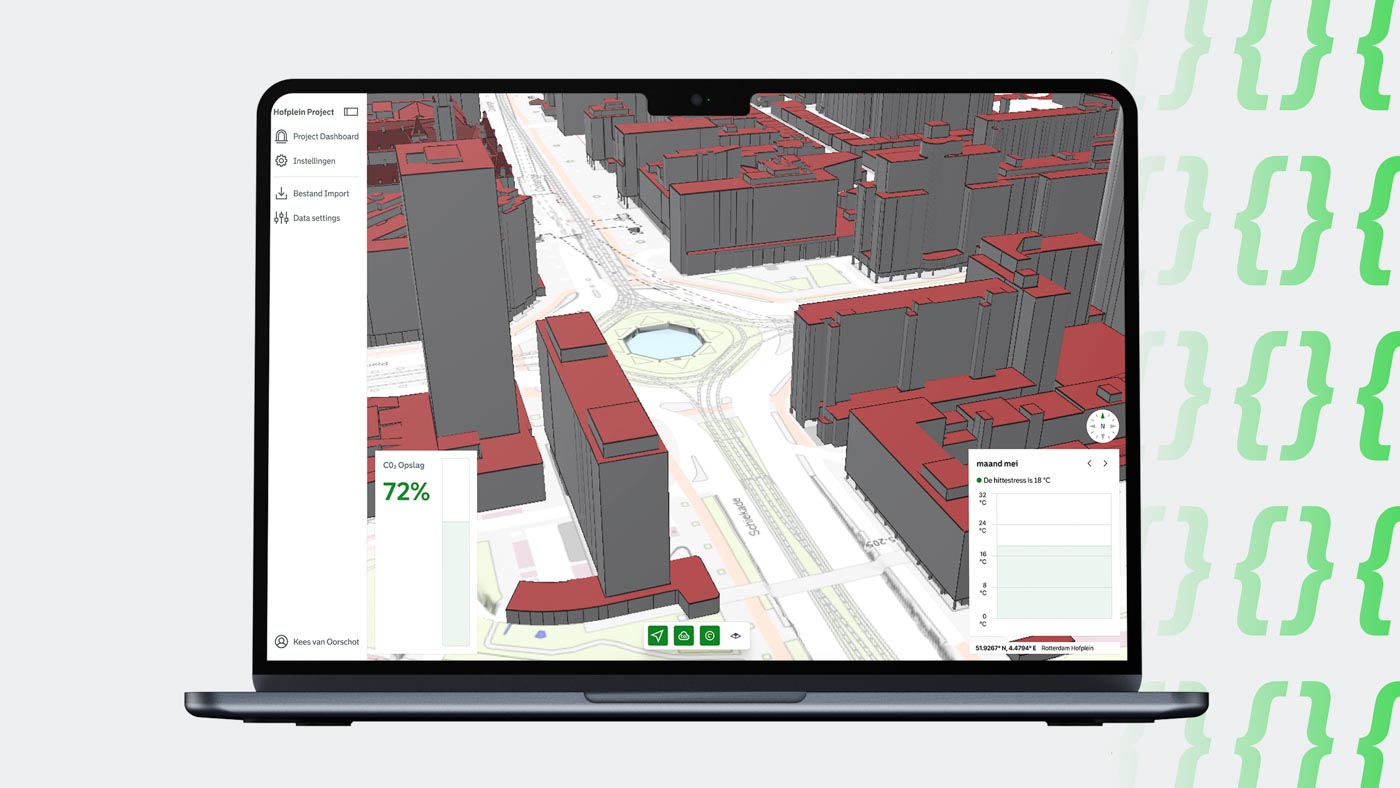
As a UX designer, my task was to design a digital application for urban developers that provides insight into the impact of spatial decisions on the physical city. My focus in this project was on creating a solution that makes it easy for urban developers to clearly see the impact on biodiversity and the living environment when designing a new area. The goal was to increase awareness of biodiversity among urban developers.

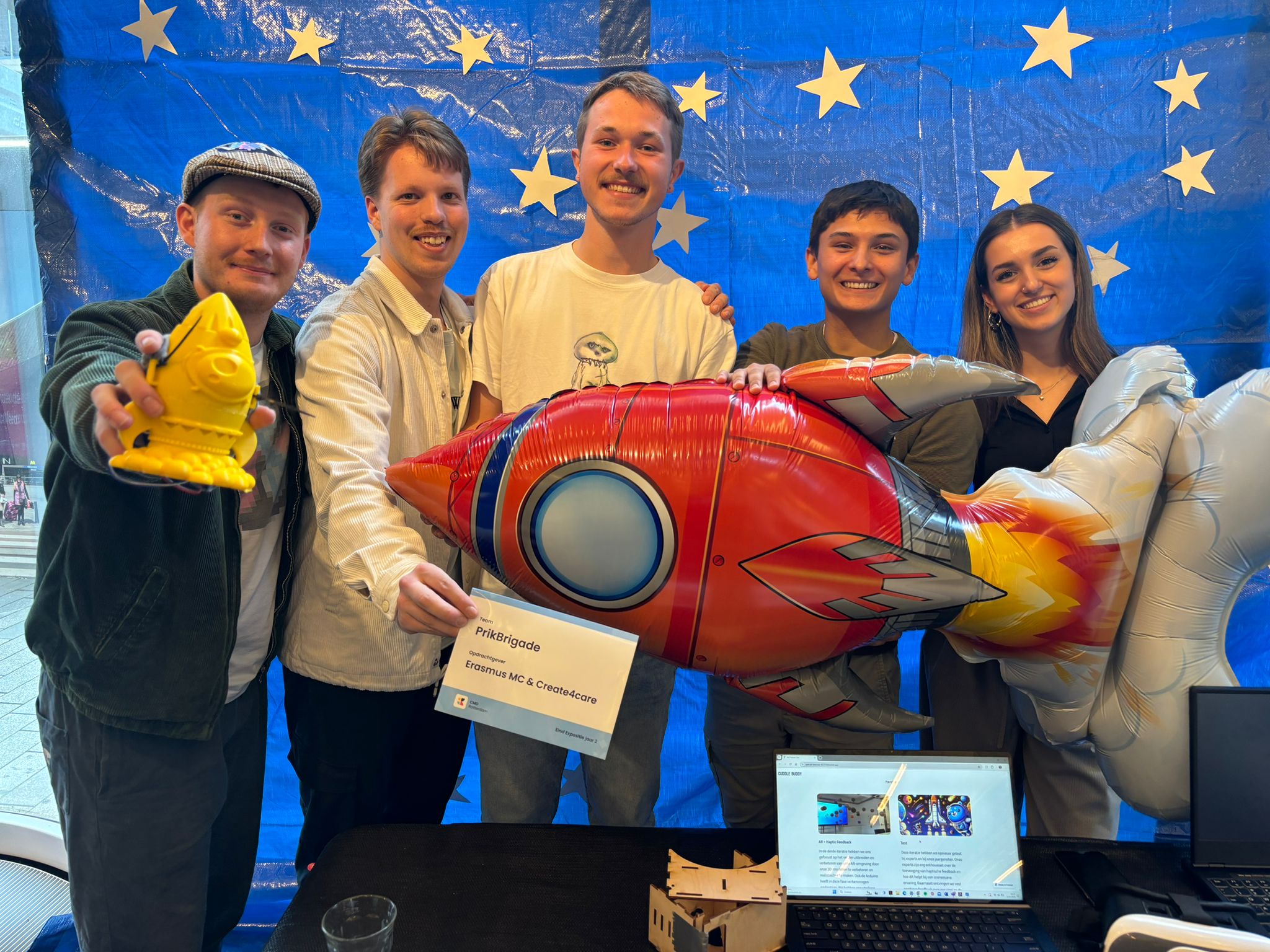
The team I collaborated with consisted of a developer, three data scientists, and myself as a UX designer. As a team, we started by exploring the problem. I took the initiative to lead this process by formulating research questions, arranging meetings with the target group, and conducting the interview. I was then responsible for structuring and visualizing the insights. I did this by combining findings and images into clear chapters in presentation format. Finally, together with the team, we prioritized all insights using the Feasibility Matrix method, after which I translated the results into insight cards.

What I would do differently next time is to also write down and collect the insights physically somewhere (like a insight-wall), rather than only storing them digitally. This way, you encounter them more often. When everything is hidden in folders on a computer, you are not naturally triggered to open them.
What this project has also taught me is the importance of being clear in your explanations, arguments, and work, since people with different areas of expertise often have no idea what you are working on. In addition, it is essential to take the time to understand other disciplines and areas of knowledge in order to foster better collaboration.
Case Specs
Rol:
UX Designer, User Researcher, Ideation Coordinator, UX Tester
Tijdlijn:
20 weken
Tools:
Figma, Notion, ChatGPT
Expertise: