_Create4Care
Nobody likes needles, but for children, a hospital visit can be a very scary experience. For my project with SyncVR Medical and Create4Care, I worked on a solution called "Cuddle Buddy." The goal was simple: use smart technology to reduce the fear and pain kids (aged 6-10) feel during medical procedures like injections.
In this project, I took on the role of User Researcher. My main focus was to dive deep into the needs of the children. I wanted to understand their emotions and translate those insights into a product that actually works. While I also helped with the technical parts, my real strength was in empathy and research.

During my research, I had a major "Aha!" moment. I discovered that for children, the specific medical procedure doesn't matter as much as their previous experiences. Kids often associate a simple hospital visit with scary memories of big surgeries or earlier painful moments. This insight changed our approach: we realized we needed to change their environment and feelings, not just distract them from the needle.
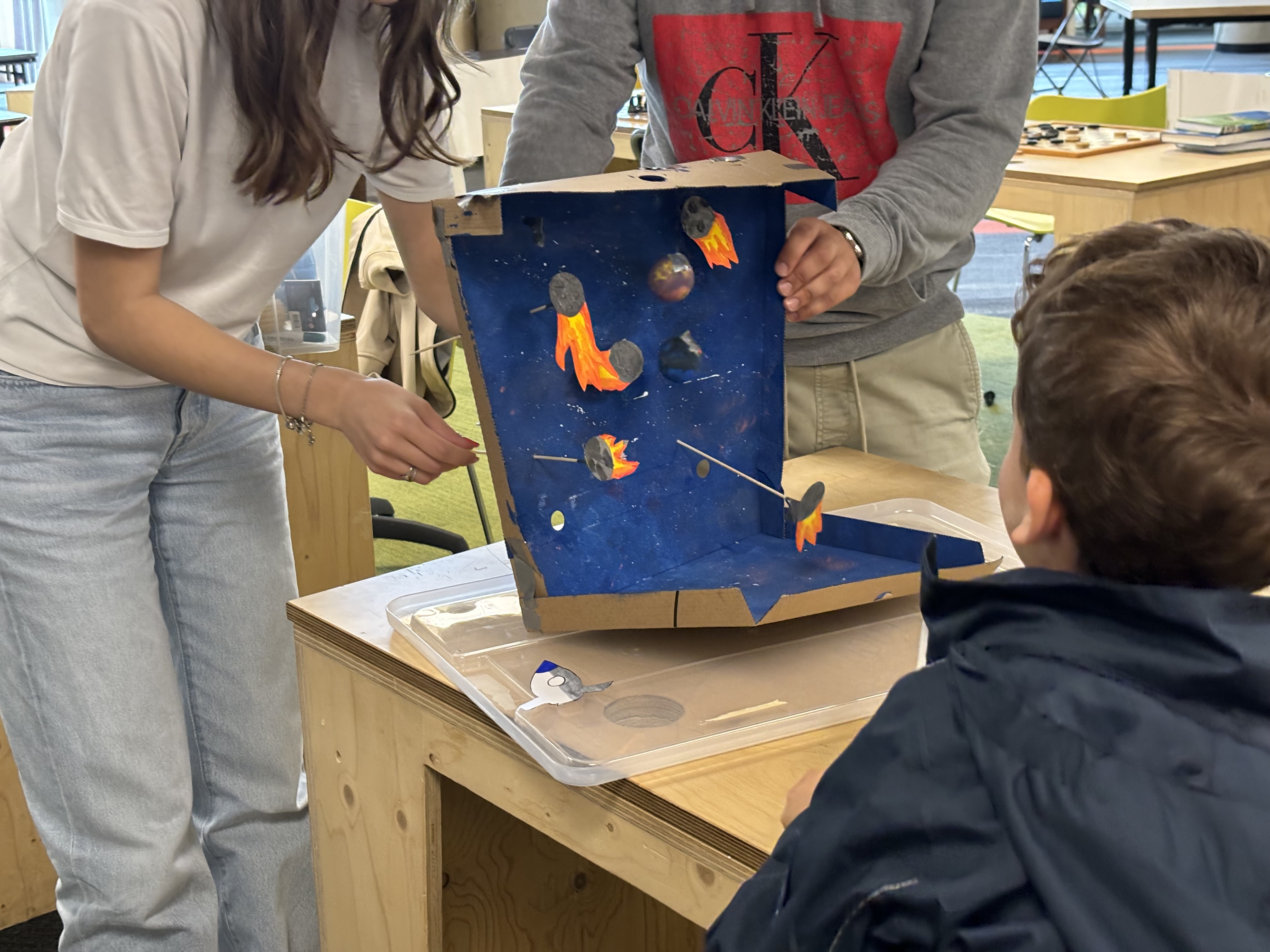
One of the hardest parts of this project was testing our ideas with the target audience. It is difficult to test in a busy hospital or school. To solve this, I took our prototypes to public libraries and other public spaces. This allowed me to test the "Cuddle Buddy" with parents and children in a place where they felt relaxed and safe. This was a great move because I got honest feedback and saw exactly how the kids interacted with the prototype.
I worked on a physical part of the project: an Arduino armband that provides haptic feedback (vibrations). I’ll be honest: I am not an expert in coding or hardware. But I knew this was important for the experience. So, I reached out to microcontroller experts for help. This taught me a valuable lesson: a great designer doesn't need to do everything alone. Asking for expert help makes the final result much stronger.
The clients, SyncVR and Create4Care, loved how we responded to the real needs and fears of the children. They were very happy with the creative "Cuddle Buddy" concept. We showed them that by combining a physical "buddy" with technology (like haptic feedback), we could make a real difference in a child's hospital journey.
This project proved to me that user research is the heartbeat of design. By listening to children and testing in the real world, we created a solution that is both technical and deeply human. It taught me how to turn complex research into a simple, helpful product.
Case Specs
Rol:
User Researcher, UX Tester
Tijdlijn:
20 weken
Tools:
Figma, Notion, Miro, Insight Wall
Expertise: